PROGRAMME
13th Singapore Dialogue on Sustainable World Resources (SWR):
Resilient Commodities: Innovation and New Markets
Date: Thursday, 7 May 2026
08:30-09:00
Registration
09:00-09:10
Welcome Remarks
Mr. Simon Tay, Chairman, Singapore Institute of International Affairs
 |
Mr. Simon TayChairman
Simon SC Tay is a public intellectual as well as an advisor to major corporations and policy-makers. He is Chairman of the Singapore Institute of International Affairs, the country’s oldest think tank. The SIIA focuses on the politics, economic policies and sustainablity issues that matter to policy makers and corporations in ASEAN and Asia. Consistently ranked by an international survey within the top 50 of the world and amongst the best in ASEAN, the SIIA is also rated the No 1 independent think tank across all of Asia. The SIIA works actively in “track 2” diplomacy with policy makers, not only in Singapore but across ASEAN, including previously advising the Indonesian and Myanmar governments on foreign investment. SIIA members and benefactors include many of leading Singaporean companies and multinationals. Presently, Prof Tay serves as an Ambassador for Singapore, accredited to Greece on a non-residential basis. He is a board member of the Maritime Port Authority and also chairs the trade and sustainability dialogues for free trade agreements that Singapore has with the European Union and UK. He has previously served Singapore in a number of public appointments. These include Chairman of the National Environment Agency (2002-08); Expert and Eminent Person in the ASEAN Regional Forum (2002–2019); independent Member of Parliament (1997-2001); and to coordinate the country’s equivalent of the Peace Corps (1990-93). He co-chaired a number of national public commissions such as Singapore 21, the Singapore Green Plan and the Singapore Concept Plan 2010. In 2006, Prof Tay received a National Day Award. Additionally, Tay is a tenured Associate Professor, teaching since 1995 at the National University of Singapore Faculty of Law with a focus on international law. He has also taught as visiting professor at Harvard Law School, the Fletcher School and Yale University. In addition to academic works, his book, Asia Alone: the Dangerous Post Crisis Divide from America (Wiley 2010) was well reviewed in the Economist and Financial Times. His comments and interviews often feature in the international and regional media. Another aspect of Prof Tay’s work is to advise major corporations. Currently, he is Senior Consultant at WongPartnership, a leading Asian law firm of over 300 lawyers and offices in ASEAN, China and the Middle East. Previously, he served on global advisory boards for MUFG Bank of Japan, and Toyota Japan, and was Corporate Advisor to Temasek Holdings (2006-09). For more than a decade, he served as independent board director for companies including the LGT Bank of Liechtenstein and Deutsche Boerse (Asia). He is often asked to brief major corporate boards and financial institutions and has spoken at leading business conferences including the World Economic Forum, APEC and ASEAN CEO Summits. Additionally, Tay is a prize winning author of fiction and poetry. His 2010 novel City of Small Blessings was awarded the Singapore Literature Prize and in 2019 he received the SE Asia Write award in recognition of contributions to the region’s writing. He graduated in law from the National University of Singapore (1986), where he was president of the student union for three terms. He also holds a Masters in Law from Harvard Law School (1993-94), which he attended on a Fulbright Scholarship and where he won the Laylin prize for the best thesis in international law. He was born in 1961 and is the only son of the late Tay Seow Huah, a pioneer generation civil servant reporting to the Prime Minister and Defence Minister, and the late Madam Cheong Keong Hin, a teacher. Prof Tay is married and has one son. |
Close
09:10-09:25
Sustainability in a Disrupted World
Keynote Speaker:
Ms. Grace Fu, Minister for Sustainability and the Environment and Minister-in-charge of Trade Relations, Republic of Singapore
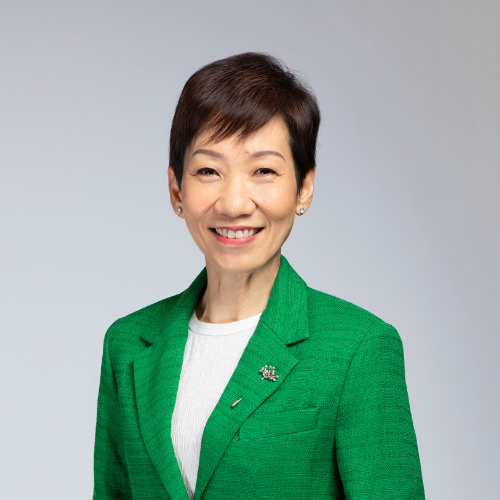 |
Ms. Grace FuMinister for Sustainability and the Environment and Minister-in-charge of Trade Relations, Ms Grace Fu is the Minister for Sustainability and the Environment and the Minister-in-charge of Trade Relations. She is concurrently the President of the Singapore National Olympic Council. In 2025, Ms. Fu was recognised on the Forbes Sustainability Leaders List and the TIME100 Climate List for her contributions to addressing climate change. Ms. Fu was first elected as a Member of Parliament for the Group Representation Constituency of Jurong, Yuhua Division in June 2006 and has since been re-elected in the 2011, 2015, and 2020 General Elections. In the 2025 General Election, Ms. Fu led the People’s Action Party team in the newly formed Jurong East–Bukit Batok GRC, securing a clear mandate and returning to Parliament. Ms. Fu has held several significant ministerial roles. In 2006, she was appointed Minister of State for the Ministry of National Development, later becoming Senior Minister of State for the Ministry of National Development and the Ministry of Education in 2008. In 2011, she was appointed Senior Minister of State for the Ministry of Information, Communications and the Arts and the Ministry of the Environment and Water Resources. In August 2012, she was appointed Minister, Prime Minister’s Office, Second Minister for Foreign Affairs, and Second Minister for Environment and Water Resources. She was also appointed to lead the Municipal Services Office in 2014. In 2015, Ms. Fu became the Minister for Culture, Community and Youth, making history as the first woman in Singapore to lead a ministry. She also chaired the National Integration Council, National Youth Council, and served on the board of the People’s Association. Additionally, she was involved in various committees, including the Singapore-Zhejiang Economic and Trade Council, the Sino-Singapore Tianjin Eco-city Joint Steering Council, the Ministerial Committee on Ageing, and the Economic Strategies Committee. Before entering politics, Ms. Fu began her career in 1985 at Overseas Union Bank and later worked with Haw Par Group in corporate planning, financial controls, and business development. She joined PSA Corporation in 1995, where she held various responsibilities in finance and marketing, eventually serving as Chief Executive Officer of PSA Southeast Asia and Japan, overseeing operations in Singapore, Thailand, Brunei, and Japan. Ms. Fu graduated with a Bachelor of Accountancy (Honours), and subsequently obtained a Masters of Business Administration from the National University of Singapore. She enjoys an active lifestyle, including running, yoga, and hiking. She is married with three sons. |
Close
09:25-10:10
Reinventing “Sustainable” in Commodities
Keynote Speaker:
H.E. Arif Havas Oegroseno, Vice Minister for Foreign Affairs, Republic of Indonesia
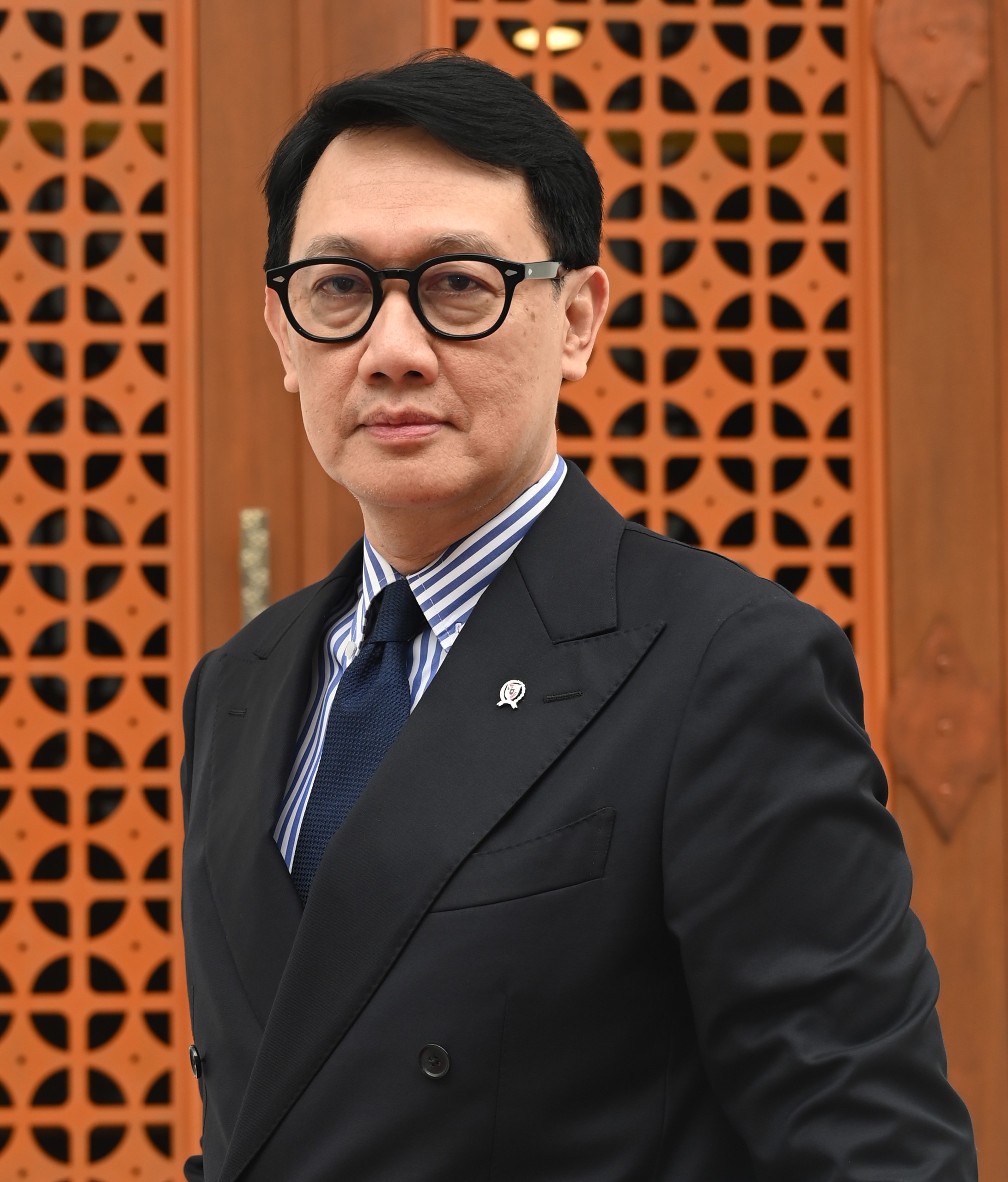 |
H.E Arif Havas OegrosenoVice Minister for Foreign Affairs, Republic of Indonesia Arif Havas Oegroseno has served as Vice Minister for Foreign Affairs since October 2024. Previously, he was Indonesia’s Ambassador to Germany (2018–2024), Vice Minister at the Coordinating Ministry for Maritime Affairs and Investment (2015–2018), and Ambassador to Belgium, Luxembourg, and the EU (2010–2015). At the Ministry of Foreign Affairs, he was Director General for Law and International Treaties (2008–2010) and Director for Political, Security, and Regional Agreements (2002–2008). In 2010, he became the first Indonesian to preside over the UNCLOS Conference at the UN. His diplomatic career spans over 30 years, with key assignments in Geneva (1993–1997) and Lisbon (1999–2002). He has led major negotiations on maritime boundaries, extradition, trade, and sustainable development and was instrumental in developing Indonesia’s Ocean Policy and the Archipelagic and Island States (AIS) Forum. A graduate of Harvard Law School, he has participated in advanced training courses worldwide. He has received honorary medals from Belgium and serves on international law panels. A frequent lecturer, he has spoken at leading universities, including the Rhodes Academy of Oceans Law and Policy, and at major international conferences. |
Close
10:10 - 11:25
New Markets for ASEAN Commodities
Southeast Asia’s agroforestry and commodities sector is at a crossroads. Concerns persist over shifting US policies and stricter EU rules. In response, producers are diversifying beyond major markets – building links among mid-sized economies, boosting South-South trade, and strengthening domestic consumption. This panel examines the future of agricultural commodity markets and what this means for ASEAN’s trade and exports.
- How are trade flows between ASEAN and global markets evolving, and what does this mean for our region’s exporters?
- How are sustainability regulations shaping trade in commodities? Do we need to reinvent sustainability standards?
- What strategies are needed to balance export growth with domestic consumption in ASEAN countries, ensuring both stable supply and prices?
Panellists:
Mrs. Arada Fuangtong, Director General, Department of Foreign Trade, Ministry of Commerce, Kingdom of Thailand
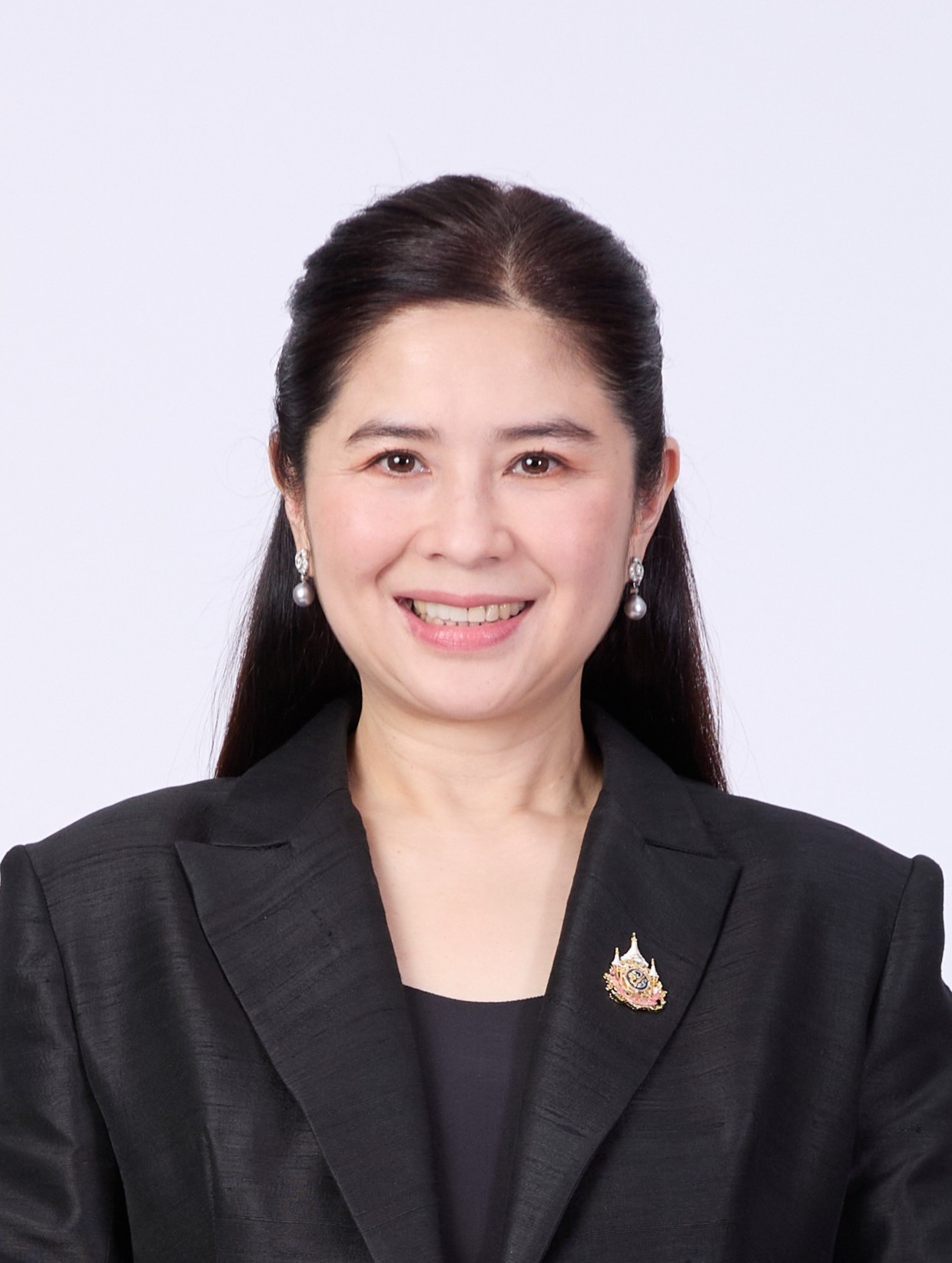 |
Mrs. Arada Fuangtong,Director General, Department of Foreign Trade, Mrs. Arada Fuangtong currently serves as the Director General of the Department of Foreign Trade (DFT), Ministry of Commerce, Thailand. In this capacity, she leads Thailand’s primary agency responsible for regulating and facilitating international trade, ensuring that Thai businesses remain competitive and compliant with global standards. With her educational background and working experience, she has been a pioneer in digital transformation. Notable achievements include founding thaitrade.com, Thailand’s first official B2B e-marketplace, and spearheading the “From Gen Z to be CEO” initiative, which has empowered over 60,000 young entrepreneurs. At the DFT, she is focused on modernizing trade infrastructure and aligning Thailand’s export strategies with global trends, such as digital economy integration and sustainable trade practices. Her leadership is instrumental in navigating complex international trade regulations and fostering a resilient, future-ready trade ecosystem for Thailand. |
Close
Mdm. Izzana Salleh, Secretary General, Council of Palm Oil Producing Countries (CPOPC)
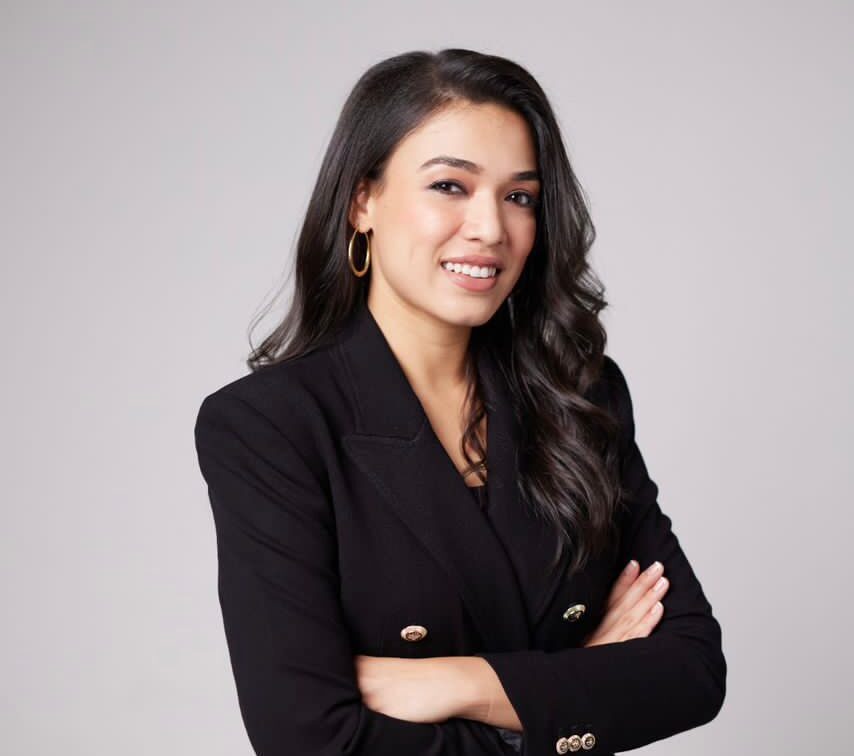 |
Mdm. Izzana Salleh,Secretary General, Mdm. Izzana Salleh is a visionary leader with a distinguished track record and career across public service, private sector, and global nonprofit leadership, where she has consistently championed for high-impact initiatives at both national and international platforms. She is the Secretary General for the Council of Palm Oil Producing Countries (CPOPC) and brings a strategic and diplomatic leadership to the role—strengthening multilateral collaboration among member states, advocating for producing countries on the global stage, and advancing sustainability, inclusivity, and innovation across the palm oil sector. She has held significant roles on the Boards of Malaysian Palm Oil Council (MPOC), Malaysia Digital Economy Corporation (MDEC), TalentCorp Malaysia Berhad (TalentCorp), and was part of the investment panel for the Social Security Organisation (SOCSO), all appointed with the endorsement from Ministry of Finance, Malaysia. In the private sector, Izzana was the founder of RISE Human Capital, where she spearheaded strategic programs in talent development and policy advisory. Her earlier corporate roles include Vice President at PEMANDU Associates, a transformation consultancy, where they led national policy efforts. Prior to that, she was the CEO of Real Food Company, where she contributed to Malaysia’s national food security initiative—developing a cross-border cold chain logistics network and growing regional brands to strengthen domestic food supply and reduce import dependency. In her early days, Izzana began her career in STEM conducting cancer research, as well as in the corporate and investment banking arena. Izzana is the Co-Founder and Global President of Girls For Girls International (G4G), a Harvard-born nonprofit that has empowered young women and girls across 40 countries through mentorship-driven leadership development. She holds a Master in Public Administration from Harvard Kennedy School of Government, a Master in Business Administration from Imperial College Business School, and a Bachelors in Biotechnology from California State University, Pomona. Her work has earned her multiple accolades over the years, including the Women Leadership Innovator Award and recognition as one of Malaysia’s Top 30 Women of Excellence. |
Close
Mr. Osamu Abe, Managing Director, and Chief of Staff for Asia Pacific, MUFG Bank, Ltd
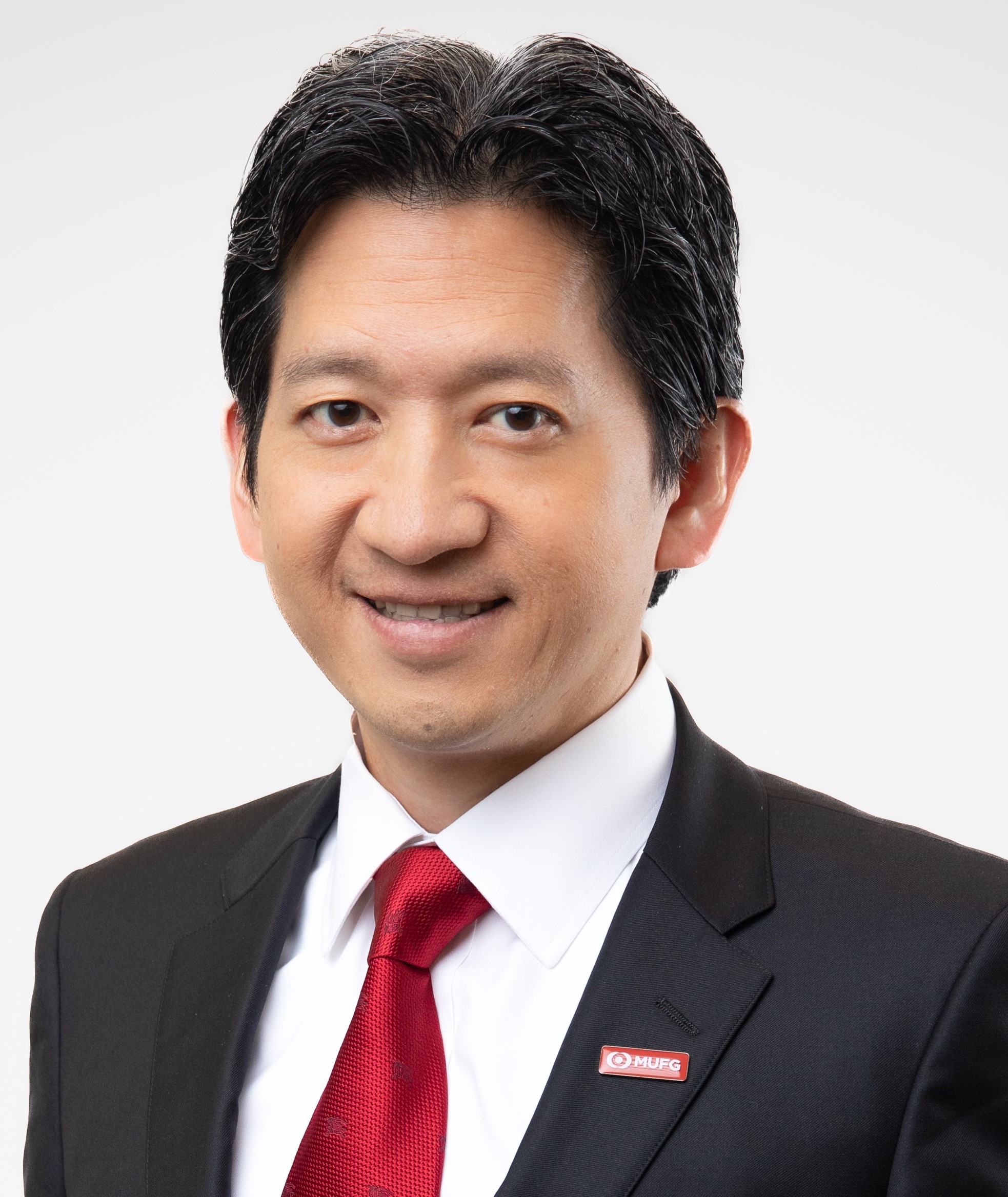 |
Mr. Osamu AbeManaging Director Mr. Osamu Abe was appointed Chief of Staff for Asia Pacific for MUFG Bank in May 2025. Based Prior to the current appointment, Mr. Abe was CEO and board member of Mars Equity M.C. Pte. Mr. Abe has over 28 years of extensive experience in corporate & investment banking through Prior to that, he was the Managing Director of the Bank’s GCIB Planning Division in Tokyo, a He began his career in 1997 with the then Bank of Tokyo-Mitsubishi’s Nihonbashi Corporate Mr. Abe holds a Master of Science in Business from Stanford University Graduate School of |
Close
Moderator:
Ms. Fang Eu-Lin, Partner and Sustainability & Climate Change Practice Head; and PwC Asia Pacific Centre for Sustainability Excellence Leader, PwC Singapore
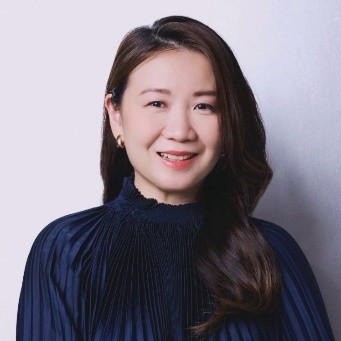 |
Ms. Fang Eu-LinPartner and Sustainability & Climate Change Leader Eu-Lin leads the Sustainability & Climate Change practice across PwC Singapore, drives the PwC Asia Pac Centre for Sustainability Excellence based in Singapore and is a member of global sustainability leadership teams at PwC. She is also the Asia Pacific Sustainable Finance Leader and Sustainability Reporting Leader. Prior to assuming the Sustainability & Climate Change practice head role at PwC Singapore in 2016, she was a financial services specialist partner. Eu-Lin graduated with a Masters in Public Administration from Harvard Kennedy School, Harvard University and is an alumnus of Harvard Business School. As a practicing Singapore Chartered Accountant, she believes that accountants can play an important role in fighting climate change and advancing sustainability in business and in the community. She serves on various boards and committees where she contributes in areas of the audit committee, risk committee and sustainability. She serves of the boards of the National Environment Agency, Temasek Polytechnic, National Institute of Early Childhood Education and the Singapore Institute of International Affairs. She is the Co-Chairman of the Ministry of Sustainability and the Environment SG Eco Fund and serves on the Monetary Authority of Singapore Corporate Governance Advisory Committee. She recently served as the Chairman of the Institute of Singapore Chartered Accountants Sustainability Committee which supports in capacity building, technical review of sustainability reporting standards and engaging the accounting community on emerging sustainability issues and served on the Accounting and Corporate Regulatory Authority (ACRA)-Singapore Exchange (SGX) RegCo Sustainability Reporting Advisory Committee. She is currently serving on the ACRA Interim Sustainability Reporting Standards Committee. |
Close
11:25 - 12:40
Lunch
12:40 - 13:25
The Future of Agricultural Commodities Trade
Close
Close
13:25 - 14:40
Innovation, Risk, and Strategy for Bioenergy
In a world of shifting trade flows and consumption patterns, the ASEAN region is working to move beyond primary production of raw materials and increasingly towards higher-value products. Opportunities are arising in refining and downstreaming in ASEAN, as well as in the circular economy. Agricultural commodity and food producers can supply the feedstocks and refined products needed for energy, chemicals, and other uses. Companies are innovating to reduce waste, bolster their valuation, and reduce their risk, while contributing to the region’s sustainability. This panel will explore how agribusinesses are linking to value-added markets, via avenues such as methane capture to convert waste to energy, engaging with smallholder farmers for low-carbon production, and what downstream businesses want to see from ASEAN’s producers.
- How will agricultural commodity prices and markets evolve over the next 10 to 20 years, and what does this mean for producers, traders, and investors?
- How is demand in energy, biodiesel, sustainable aviation fuel, chemicals, and other industries shaping ASEAN’s production and downstream sectors?
- How are agricultural commodity and food companies aligning their practices with demands for circularity and net zero emissions?
Panellists:
Mr. Olivier Tichit, Director of Communications and Sustainability, Musim Mas
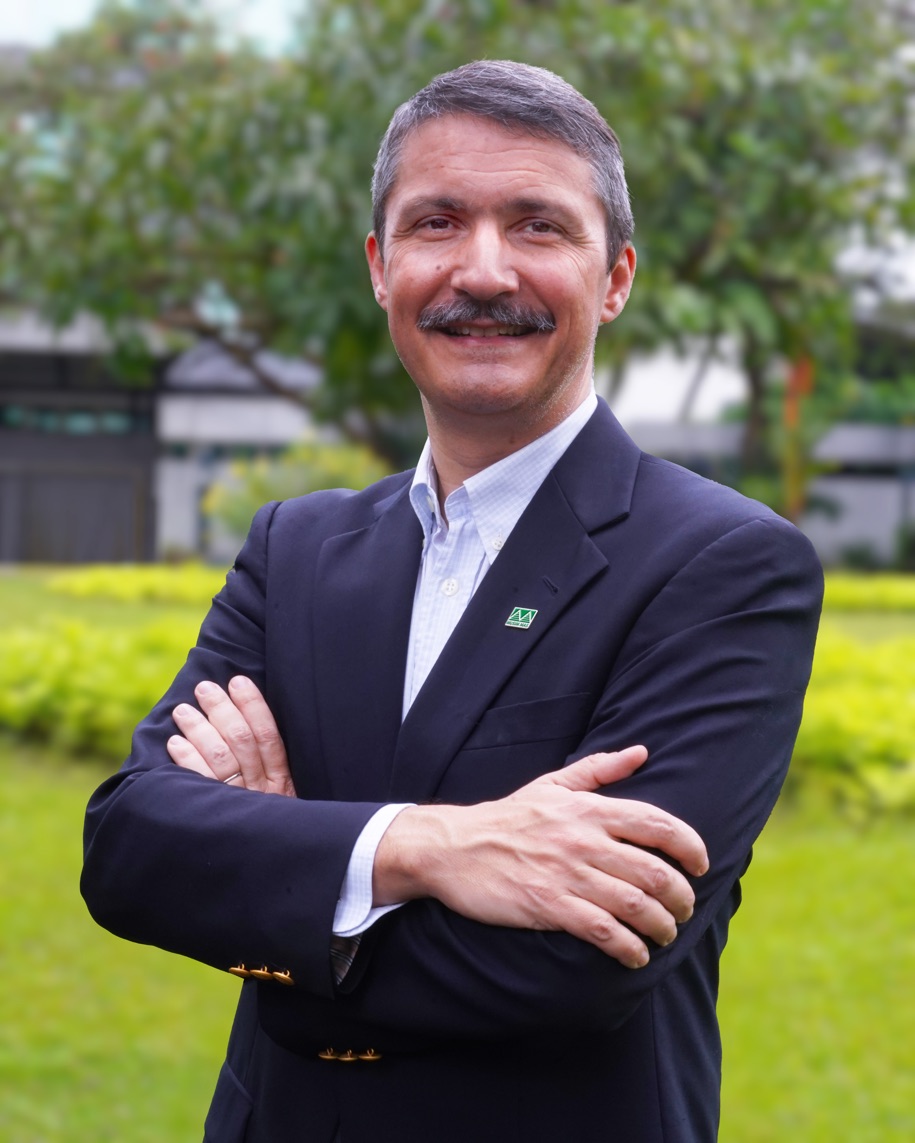 |
Mr. Olivier TichitDirector of Communications and Sustainability Olivier is the Director of Communications and Sustainability at Musim Mas Group. He oversees the strategic direction of the group’s sustainability efforts, ensuring alignment with its core values and mission. Olivier drives sustainability synergies and fosters impactful partnerships, advancing the group’s commitment to sustainable practices and industry collaboration. Musim Mas is an active member of the Roundtable for Sustainable Palm Oil (RSPO), where Olivier serves on the Board of Governors, representing Processors and Traders, co-chairs the Standing Committee for Standards, and is a member of the Finance Committee and of the Standing Committee for Assurance. Prior to Musim Mas, Olivier was the Group Head of Sustainability of SIPEF, a Belgian plantations company present in Cote d’Ivoire, Indonesia and Papua New Guinea. Before joining SIPEF, Olivier was the Indonesia Country Manager for a major commodities merchant group, Ecom Agroindustrial, and spearheaded sustainable certifications for coffee smallholders. |
Close
Mr. Daniel Ng, Senior Director (Air), Ministry of Transport, and Chief Sustainability Officer, Civil Aviation Authority of Singapore (CAAS)
 |
Mr. Daniel NgSenior Director (Air), Ministry of Transport, and Chief Sustainability Officer, Daniel is the Senior Director (Air) of Ministry of Transport where he oversees the development of aviation policies to ensure that Singapore continues to be one of the major air hubs in the region. Daniel is concurrently the Chief Sustainability Officer in the Civil Aviation Authority of Singapore (CAAS) and to develop, implement and review domestic and international climate change targets, policies and strategies across the Singapore aviation sector. He also represents Singapore on the ICAO Committee on Aviation Environment Protection. With almost 20 years of aviation experience, Daniel has held appointments in the Aviation Development Group, Corporate Development, Air Transport and Aviation Industry Divisions of CAAS. Daniel graduated magna cum laude with a double major in Economics and Government from Dartmouth College in New Hampshire, USA. |
Close
Close
Close
Close
Close
14:40 - 14:50
Closing Remarks
Mr. Simon Tay, Chairman, Singapore Institute of International Affairs
|
Mr. Simon TayChairman
Simon SC Tay is a public intellectual as well as an advisor to major corporations and policy-makers. He is Chairman of the Singapore Institute of International Affairs, the country’s oldest think tank. The SIIA focuses on the politics, economic policies and sustainablity issues that matter to policy makers and corporations in ASEAN and Asia. Consistently ranked by an international survey within the top 50 of the world and amongst the best in ASEAN, the SIIA is also rated the No 1 independent think tank across all of Asia. The SIIA works actively in “track 2” diplomacy with policy makers, not only in Singapore but across ASEAN, including previously advising the Indonesian and Myanmar governments on foreign investment. SIIA members and benefactors include many of leading Singaporean companies and multinationals. Presently, Prof Tay serves as an Ambassador for Singapore, accredited to Greece on a non-residential basis. He is a board member of the Maritime Port Authority and also chairs the trade and sustainability dialogues for free trade agreements that Singapore has with the European Union and UK. He has previously served Singapore in a number of public appointments. These include Chairman of the National Environment Agency (2002-08); Expert and Eminent Person in the ASEAN Regional Forum (2002–2019); independent Member of Parliament (1997-2001); and to coordinate the country’s equivalent of the Peace Corps (1990-93). He co-chaired a number of national public commissions such as Singapore 21, the Singapore Green Plan and the Singapore Concept Plan 2010. In 2006, Prof Tay received a National Day Award. Additionally, Tay is a tenured Associate Professor, teaching since 1995 at the National University of Singapore Faculty of Law with a focus on international law. He has also taught as visiting professor at Harvard Law School, the Fletcher School and Yale University. In addition to academic works, his book, Asia Alone: the Dangerous Post Crisis Divide from America (Wiley 2010) was well reviewed in the Economist and Financial Times. His comments and interviews often feature in the international and regional media. Another aspect of Prof Tay’s work is to advise major corporations. Currently, he is Senior Consultant at WongPartnership, a leading Asian law firm of over 300 lawyers and offices in ASEAN, China and the Middle East. Previously, he served on global advisory boards for MUFG Bank of Japan, and Toyota Japan, and was Corporate Advisor to Temasek Holdings (2006-09). For more than a decade, he served as independent board director for companies including the LGT Bank of Liechtenstein and Deutsche Boerse (Asia). He is often asked to brief major corporate boards and financial institutions and has spoken at leading business conferences including the World Economic Forum, APEC and ASEAN CEO Summits. Additionally, Tay is a prize winning author of fiction and poetry. His 2010 novel City of Small Blessings was awarded the Singapore Literature Prize and in 2019 he received the SE Asia Write award in recognition of contributions to the region’s writing. He graduated in law from the National University of Singapore (1986), where he was president of the student union for three terms. He also holds a Masters in Law from Harvard Law School (1993-94), which he attended on a Fulbright Scholarship and where he won the Laylin prize for the best thesis in international law. He was born in 1961 and is the only son of the late Tay Seow Huah, a pioneer generation civil servant reporting to the Prime Minister and Defence Minister, and the late Madam Cheong Keong Hin, a teacher. Prof Tay is married and has one son. |
Close
14:50 - 15:30
Networking Tea Break
15:30
End of Programme
Note: This programme is subject to change.
Last updated: 19 March 2026
1